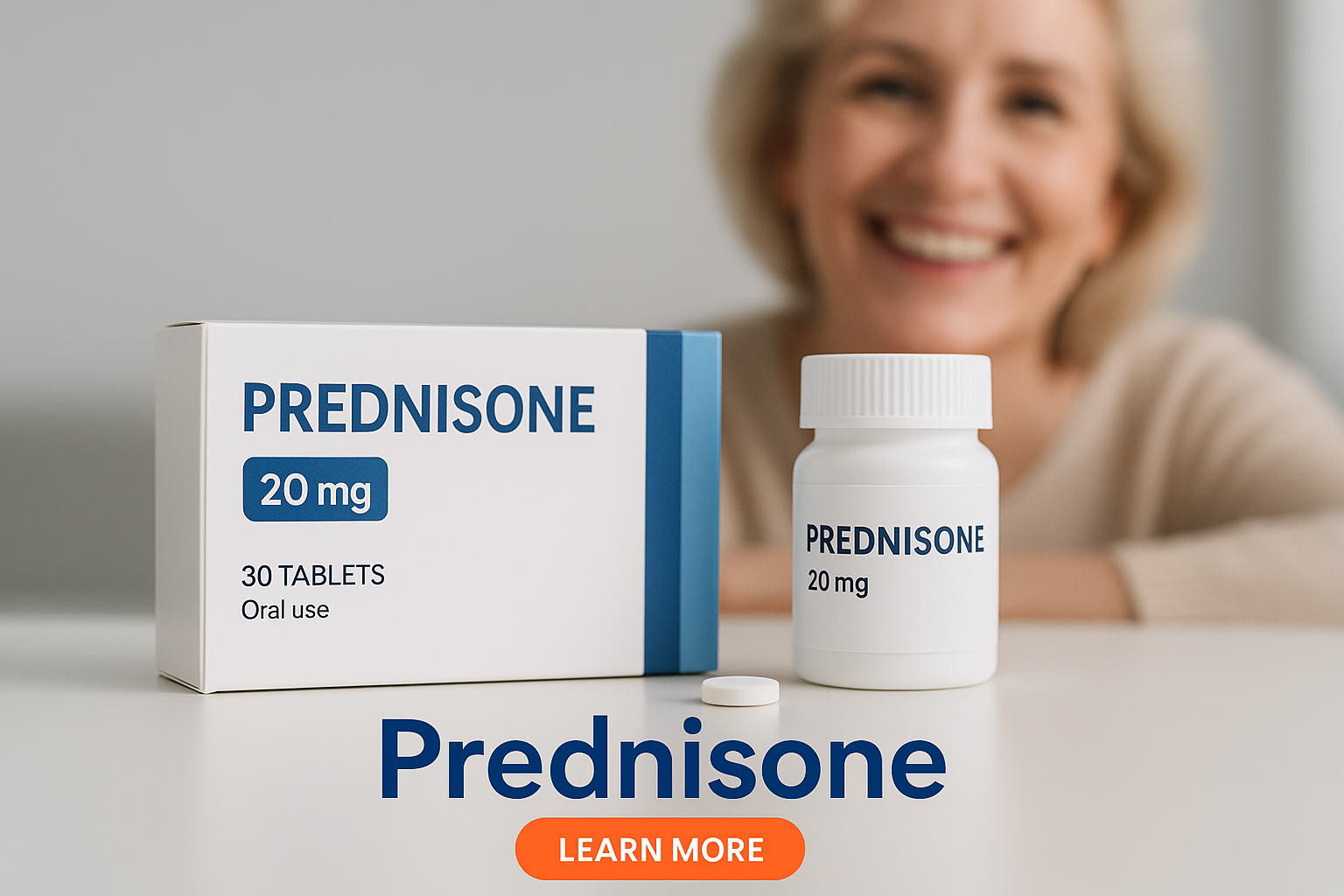
Prednisone is among the most prescribed corticosteroids worldwide, helping millions of patients manage a range of conditions. Its uses span from treating asthma and autoimmune diseases to suppressing immune responses after organ transplants. Despite this commonality, many remain unclear about the science behind this potent, complex medication.
Prednisone is a synthetic corticosteroid designed to imitate cortisol, the stress and inflammation-control hormone naturally produced by adrenal glands. Cortisol plays a central role in the body’s defenses against inflammation, regulating metabolism, and adapting to stress. When injury or inflammation occurs, cortisol helps control immune overreactions. Prednisone acts on this same biological pathway. It offers a much stronger and more focused anti-inflammatory effect, decreasing swelling and calming excessive immune system activity. That effect is crucial for numerous medical disorders.
Once the body absorbs oral prednisone, the liver converts it to prednisolone, its active form. Prednisolone binds to glucocorticoid receptors in cells. This connection prompts genetic changes, lowering the production of inflammatory cytokines while promoting anti-inflammatory proteins. In practice, this biochemical process limits pain, swelling, and redness. Physicians often turn to prednisone for autoimmune diseases such as lupus, rheumatoid arthritis, and severe allergic reactions due to its broad action on immune suppression.
Prednisone is not one-size-fits-all. Dosage depends on the disease, its intensity, and individual patient factors. Mild flare-ups may be managed with 5mg or 10mg daily. Severe inflammation sometimes requires up to 40mg per day. Patients often research generic options to save on pharmacy costs. Generic forms like PREDNISONE TABLET [CARDINAL HEALTH 107, LLC] or Drugs@FDA ANDA080292 prednisone are publicly documented sources and increase accessibility for many patients.
Long-term prednisone therapy carries risks. Complications include osteoporosis, higher infection rates, elevated blood sugar, and suppression of natural adrenal function. Doctors must monitor patients carefully while on extended courses. Abrupt cessation is dangerous; doses usually need gradual reduction (tapering) to allow for safe recovery of adrenal gland function. Risk awareness allows patients and providers to weigh benefits and make well-informed decisions.
Recent clinical advances have seen prednisone employed in combination therapy. In cancer, for example, researchers are studying prednisone’s immune regulatory action alongside novel treatments. Clinical investigations such as A Phase II Study of Axicabtagene Ciloleucel, an Anti-CD19 Chimeric Antigen Receptor (CAR) Tcell Therapy, in Combination With Radiotherapy (RT) in Relapsed/Refractory Follicular Lymphoma exemplify its role in cutting-edge protocols, confirming its ongoing relevance beyond traditional uses.
Patients often turn to Internet searches like “Prednisone 10mg Tablet Cost,” “Prednisone Pills Online 10 Mg No Prescription,” or compare local offerings such as Chinese prednisone 5mg or Prezzo Prednisone 5 Mg In Farmacia. However, experts recommend always sourcing prednisone from reputable pharmacies to guarantee authenticity and accurate dosing. The risk of incorrect self-administration can be serious. Only professionals should determine the approach to corticosteroid therapy.
Key reminders for patients taking prednisone:
- Follow your doctor’s directions without adjustment unless advised.
- Watch for and report side effects immediately.
- Disclose all other medicines to avoid drug interactions.
- Never stop treatment abruptly; taper as prescribed.
- Choose a diet rich in calcium and vitamin D if using long-term, to support bone health.
Related medication knowledge is helpful for many using prednisone. Drugs like Aciclovir may be prescribed when immunosuppression raises the risk of certain infections. Information about other commonly used drugs—Lasix (for fluid retention), Viagra, or patients seeking to find out more about Tadalafil—can also be found through comprehensive resources like skywaycorvetteclub. These platforms support informed, safe choices about multi-drug regimens.
Frequently Asked Questions
What conditions is prednisone commonly prescribed for?
Prednisone treats a spectrum of inflammatory and autoimmune diseases such as asthma, lupus, rheumatoid arthritis, and allergic reactions. It’s also used after transplants and in some cancers. Its wide-ranging anti-inflammatory and immunosuppressive effects account for its versatility across specialties.
Can I take prednisone without a prescription?
Prednisone is a powerful prescription drug with unpredictable side effects and risks if taken incorrectly. Unregulated use is unsafe and strongly discouraged. All corticosteroid use should be under medical monitoring. Patients seeking to obtain “Prednisone 40 Without A Prescription” risk significant health harms. Professional consultation remains essential for safe therapy.
Prednisone remains vital in modern medicine, treating numerous chronic and acute illnesses thanks to its proven anti-inflammatory and immunosuppressant activity. Being informed on correct dosing, possible risks, and monitoring protocols is critical when receiving prednisone therapy. Reliable drug information and professional advice are key to successful and safe outcomes.